Schiermonnikoog in the Second World War
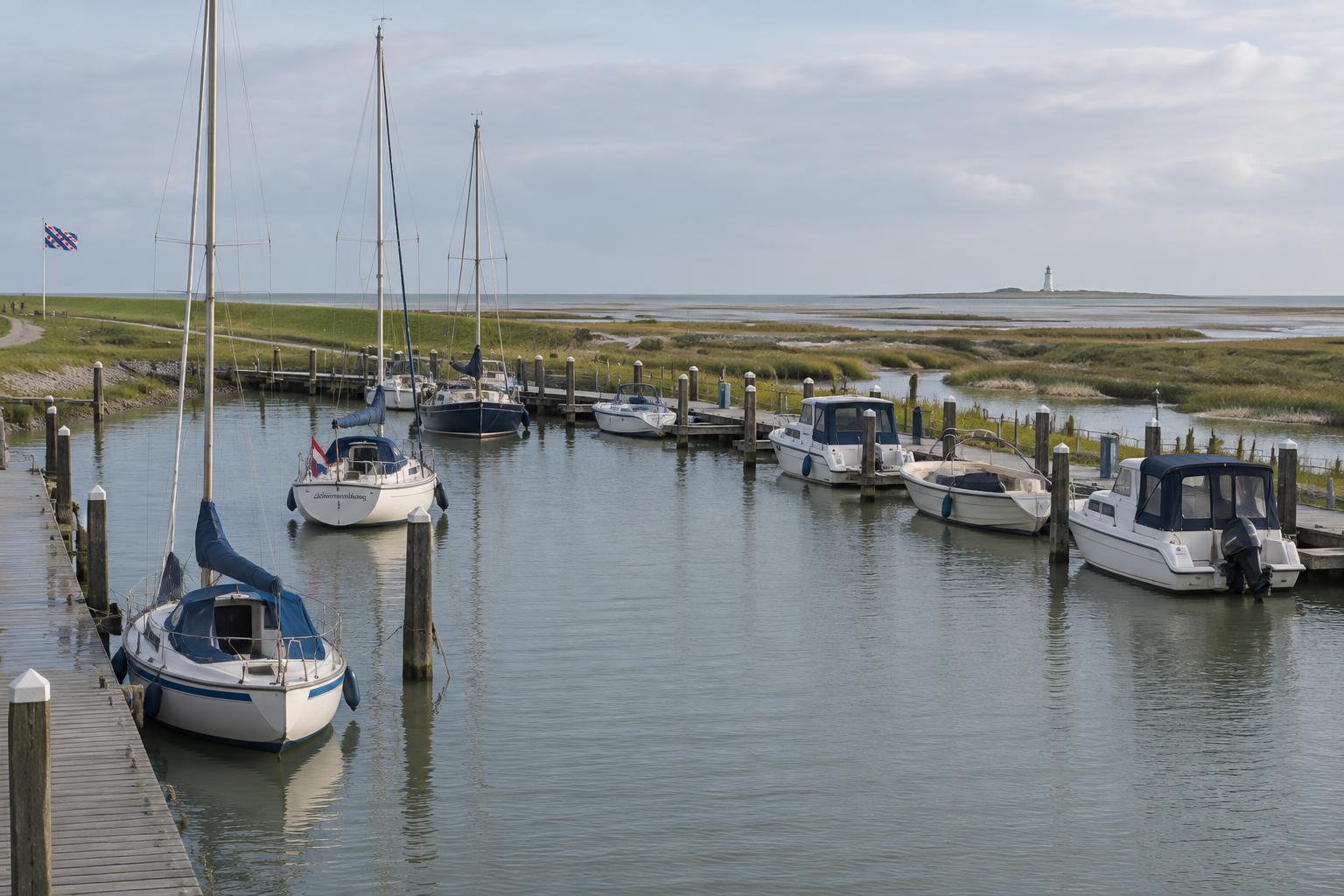
Occupation in May 1940
In mid-May 1940 the first German soldiers set foot on Schiermonnikoog. The island became an important link in the Atlantic Wall, the German line of defence along the coast. During the war more than seven hundred German soldiers were stationed there, almost as many as the islanders, around eight hundred.
The Schlei bunker village
In the dunes the occupiers built a complete village of bunkers, radar installations, barracks and anti-aircraft positions, codenamed Schlei. At its heart was the large radar bunker De Wasserman on a high dune, although the planned antenna mast was never placed on it. Large parts of the island became restricted areas. Residents could move almost only in and around the village, and tourism came to a halt. The work on the positions did give island men employment, so many escaped forced labour in Germany. Some of the bunkers can now be visited at Bunkermuseum Schlei.
Vredenhof in wartime
In this war too, the dead washed ashore. In August 1940 eighteen French soldiers were found on the beach; they had died during the evacuation of Dunkirk and been carried to the island by the currents. Allied airmen who crashed were also given a grave at Vredenhof. The German occupiers buried them with military honours. At Vredenhof friend and foe lie side by side: people from Great Britain, France, Canada, New Zealand, Australia, Poland, Morocco and Germany, among others. At the Remembrance of the Dead on 4 May, the national anthems of all these countries are played there.
Last to be liberated: 11 June 1945
On 5 May 1945 the German forces in the Netherlands surrendered, but on Schiermonnikoog the war went on. In mid-April 1945 a group of around 120 SS and SD men from the notorious Scholtenhuis in Groningen had fled to the island. They requisitioned three farms on the Kooiweg. The first Canadian troops arrived on 25 May 1945. Only on 11 June 1945 did the last German soldiers leave by boat for Zoutkamp. That made Schiermonnikoog the very last part of the Netherlands to be liberated, which is why the island still celebrates its liberation on 11 June.
Traces in the landscape
Many bunkers have disappeared or been buried by sand, but traces of the war can still be found: De Wasserman, Bunkermuseum Schlei and Vredenhof lie close together in the dunes along the Prins Bernhardweg and the Reddingsweg.
Timeline: two world wars on Schiermonnikoog
The key events of the First and Second World War at a glance. Filter by war or tap an event for more explanation.
Sources
- NOS, “Schiermonnikoog viert nu pas 80 jaar bevrijding” (2025)
- VVV Schiermonnikoog, “80 jaar bevrijding Schiermonnikoog” (www.vvvschiermonnikoog.nl)
- Omrop Fryslân, “De bevrijding van Schier kwam pas weken later”
- Liberation Route Europe, “Schiermonnikoog in de Tweede Wereldoorlog”
- IsGeschiedenis, “Schiermonnikoog: klein eiland maar een grote Duitse spil”
Read more
Schiermonnikoog in the First World War
German sailors washed ashore, the founding of the Vredenhof cemetery for the drowned in 1917, and how to visit Vredenhof on the Reddingsweg.
Lytje Pole: the nickname of Schiermonnikoog
Lytje Pole means 'little island', Schiermonnikoog's nickname in the island language. About the Eilauners and where to find it.
← The history of Schiermonnikoog
Details checked: September 2026. Always check opening hours with the provider.
Staying on the island? Discover Hazelaar apartment
Hazelaar apartment in Boszicht, 450 m from the beach, for up to 5 guests.
Check availability