Schiermonnikoog in the First World War
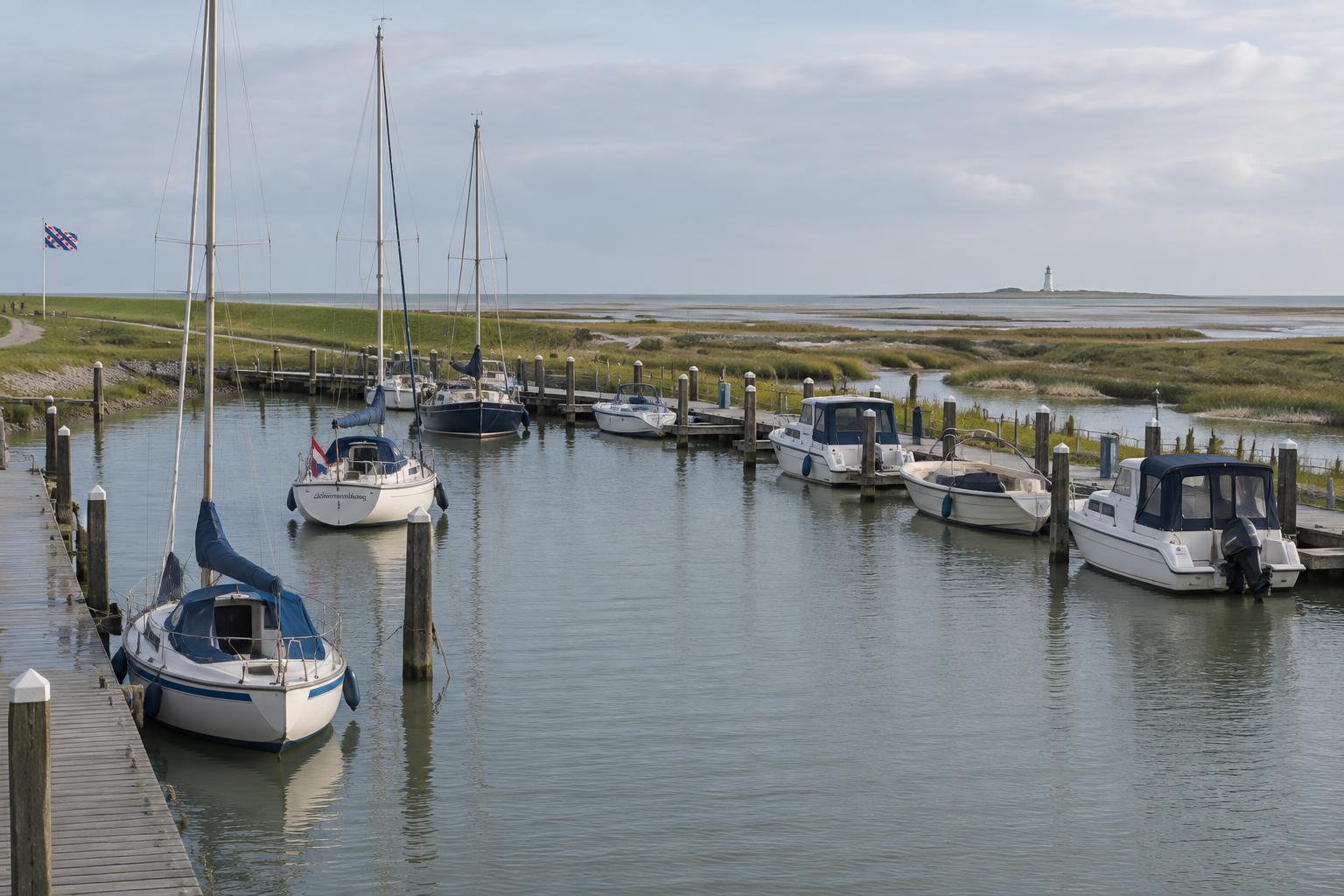
Neutral, but not untouched
The Netherlands remained neutral in the First World War, but on Schiermonnikoog the war at sea could be felt. Bodies of drowned seamen washed up on the beach with some regularity. Almost all were German sailors of the Kriegsmarine. Some of them probably died in the Battle of Jutland (Skagerrak) in May 1916, far from the beach where they eventually washed ashore. The identity of almost all the drowned from this war has remained unknown.
The founding of Vredenhof
Drowned bodies washed ashore were first buried in the dunes or by the church in the village. In 1917 a few islanders, including farmers and captains, took the initiative for a dedicated cemetery for the drowned in the dunes. Hotel owner Sake van der Werff played a major role; he also researched the identity of the dead. Count von Bernstorff cooperated with the plan. This is how Vredenhof came about, on the Reddingsweg, close to the De Wasserman bunker.
Visiting Vredenhof
Vredenhof is freely accessible and a quiet, impressive place. You pass it on the cycle route to the east of the island. Read also how Vredenhof grew further during the Second World War.
Timeline: two world wars on Schiermonnikoog
The key events of the First and Second World War at a glance. Filter by war or tap an event for more explanation.
Sources
- VVV Schiermonnikoog, “Vredenhof”
- Eerstewereldoorlog.nu, “Drenkelingenkerkhof”
- Nationaal Comité 4 en 5 mei, “Oorlogsgraven op begraafplaats Vredenhof”
- Wikipedia, “Vredenhof (Schiermonnikoog)”
Read more
Schiermonnikoog in the Second World War
Occupation in 1940, the Schlei bunker village and De Wasserman, Vredenhof in wartime and the late liberation on 11 June 1945.
Lytje Pole: the nickname of Schiermonnikoog
Lytje Pole means 'little island', Schiermonnikoog's nickname in the island language. About the Eilauners and where to find it.
← The history of Schiermonnikoog
Details checked: September 2026. Always check opening hours with the provider.
Staying on the island? Discover Hazelaar apartment
Hazelaar apartment in Boszicht, 450 m from the beach, for up to 5 guests.
Check availability